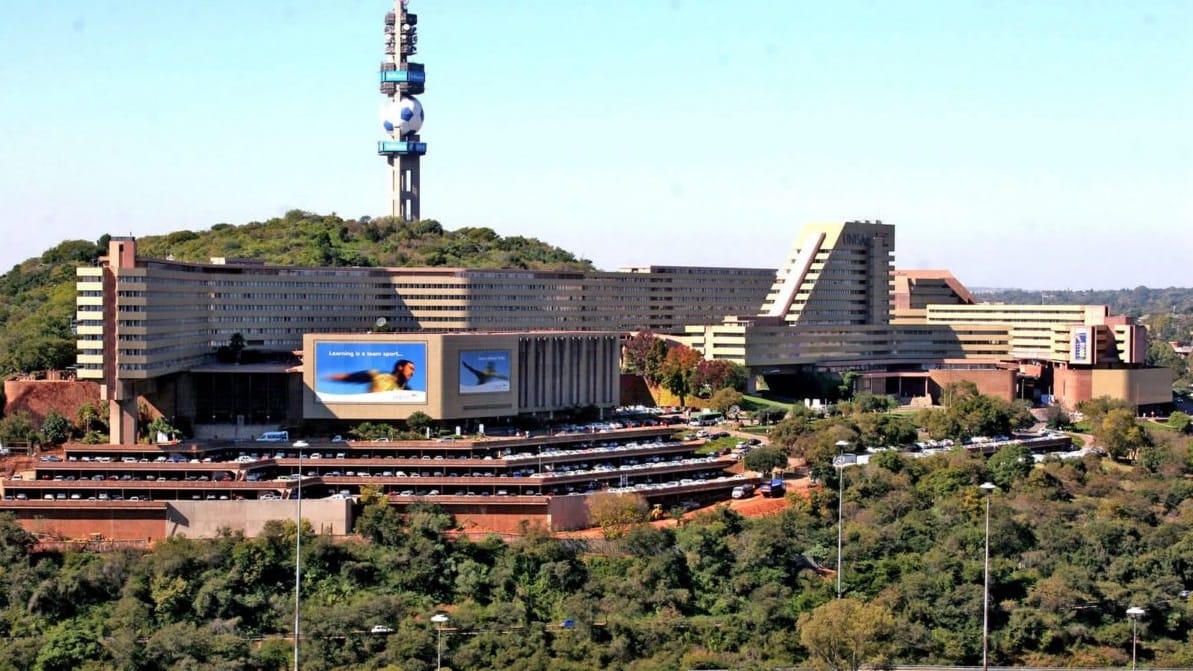
The 2026 UNISA extended applications are closing soon. Get key dates, requirements, and steps to apply before the deadline in this essential guide.
2026 UNISA Extended Applications Period Closing Soon: What Prospective Students Need to Know
The University of South Africa (UNISA) remains one of the most popular institutions for students who want access to affordable, flexible, and accredited higher education. Every year, thousands of applicants rush to submit their online applications before the closing date. If you are one of the many prospective students who missed the first application window or are still gathering documents, the 2026 UNISA extended applications period offers a second chance to secure a space for the upcoming academic year.
However, the extended window is closing soon, and once it closes, late applications are not accepted under any circumstances. This makes it important for applicants to understand how the extended application process works, which qualifications are still open, and how to prepare a successful submission before the deadline.
This guide covers everything you need to know about the 2026 UNISA extended applications, including requirements, step-by-step application instructions, and common mistakes to avoid. Whether you’re applying for a Higher Certificate, Diploma, Bachelor’s degree, or a postgraduate qualification, this article will help you stay informed and ready.
What Are the 2026 UNISA Extended Applications?
The 2026 UNISA extended applications period is an additional time frame granted by the university for applicants who either:
- Missed the initial application dates,
- Did not have all required documents ready, or
- Want to correct or resubmit an incomplete application.
Extended applications typically only apply to qualifications where spaces are still available. This means some programmes may already be full, while others remain open until capacity is reached.
Because demand for UNISA programmes is extremely high, extended periods are usually much shorter than the main application window. Once all available spaces are filled, applications close immediately—even if the published date has not yet arrived.
This is why every applicant needs to submit as early as possible.
Why UNISA Offers Extended Applications for 2026
There are several reasons UNISA introduces an extended application window every year, such as:
1. High Demand for Distance Learning
More students are choosing distance learning for its flexibility, resulting in overwhelming application numbers.
2. Space Availability in Specific Programmes
Some qualifications do not fill up during the first application period, so UNISA reopens these programmes to fill remaining spaces.
3. Administrative Adjustments
Occasionally, UNISA needs more time to finalise placement numbers, leading to a short reopening of applications.
4. Second Chances for Students
Extended applications benefit students who struggle with document uploads, system errors, or delays in receiving results.
For thousands of students, the extended window becomes the last opportunity to secure a study spot at South Africa’s biggest open-distance learning university.
Which Qualifications Are Usually Open During Extended Applications?
Although availability varies each year, the 2026 UNISA extended applications period typically includes selected programmes from:
- Higher Certificates
- Diplomas
- Bachelor Degrees
- Advanced Certificates
- Postgraduate Diplomas
- Honours Degrees
- Master’s and Doctoral Degrees (selected programmes)
Foundation and bridging programmes, especially Higher Certificates, are often still open during the extension because they experience high demand.
Documents You Need Before the Closing Date
Submitting incorrect or incomplete documents is the number one reason applications are rejected. Make sure you have:
- A certified copy of your ID or passport
- Your Matric certificate or senior certificate
- Academic transcripts (for postgraduate applicants)
- Updated curriculum vitae (if required)
- SAQA certificate for foreign qualifications
- Proof of marriage (if your surname changed)
- Study visa (for international students applying from outside SA)
- A working email address and phone number
Upload your documents in clear PDF format to avoid delays in processing.
How to Apply During the 2026 UNISA Extended Applications Period
Follow these steps carefully to avoid technical or submission errors:
Step 1: Visit the UNISA Online Application Portal
The official link is included in the “Useful Links” section below.
Step 2: Select Your Qualification Level
Choose undergraduate, postgraduate, or short learning programme.
Step 3: Review the Available Qualifications
Only qualifications still open for extended applications will be displayed.
Step 4: Complete the Online Form
Enter your personal details accurately. UNISA may reject applications with incorrect information.
Step 5: Upload All Required Documents
Ensure your documents are clear and in the correct format (PDF recommended).
Step 6: Submit and Save Your Reference Number
Your application is not complete without a valid reference number.
Step 7: Wait for the Outcome
UNISA will notify applicants via email and SMS once decisions are finalised.
Common Mistakes to Avoid Before the Deadline
Many students lose their chance because of avoidable errors. Avoid the following:
❌ Missing deadlines
Once the extended application closes, late submissions are not considered.
❌ Uploading incorrect documents
Your application will be rejected immediately.
❌ Using someone else’s email or phone number
UNISA communicates only with the applicant.
❌ Submitting multiple applications for the same qualification
This may slow down processing.
❌ Not checking system messages
UNISA may request additional documents—failing to respond results in rejection.
Tips to Improve Your Chances of Acceptance
To strengthen your application before the closing date:
- Apply as early as possible during the extension
- Ensure your academic results meet the programme requirements
- Keep your phone and email active for communication
- Double-check your document clarity
- Choose alternative qualifications if your first choice is full
Applying early is the most important factor, especially during an extended period where capacity is limited.
Useful Links (Official Sources Included)
Here are direct links to help you complete your 2026 UNISA extended applications successfully:
- UNISA Application Page:
https://www.unisa.ac.za/sites/corporate/default/Apply-for-admission - UNISA Qualification List:
https://www.unisa.ac.za/sites/corporate/default/Apply-for-admission/What-to-study - UNISA Document Requirements:
https://www.unisa.ac.za/sites/corporate/default/Apply-for-admission/Admission-requirements - UNISA Student Support:
https://www.unisa.ac.za/sites/corporate/default/Student-support
These links help applicants access accurate, official information directly from UNISA.
What Happens After Applications Close?
Once the extended period ends, UNISA:
- Reviews all submitted applications
- Confirms available spaces per qualification
- Sends acceptance, rejection, or “alternative offer” messages
- Opens the registration period for successful applicants
If you miss the closing date for the 2026 UNISA extended applications, you will have to wait for the 2027 cycle.
Conclusion
The 2026 UNISA extended applications period is a final opportunity for students to secure a place for the upcoming academic year. With the deadline approaching fast, applicants should act immediately by preparing documents, applying online, and checking updates regularly. UNISA remains one of the most accessible pathways to higher education in South Africa, making it important to submit your application correctly and on time.
If you want to stay informed about learnerships, internships, bursaries, and educational opportunities, be sure to check back regularly on OpenLearnership.co.za.
OpenLearnership.co.za Disclaimer
This article is for informational purposes only. OpenLearnership.co.za is not affiliated with UNISA and does not process applications. All applicants must apply directly on the official UNISA website to ensure accuracy and avoid misinformation.

Mkhize Yolanda is the creator of Open Learnership, a platform dedicated to helping South Africans find reliable learnerships, internships, and career opportunities. She is passionate about youth development and aims to make education and employment resources more accessible to everyone.
Contact:
📧 info@openlearnership.co.za
🌐 openlearnership.co.za